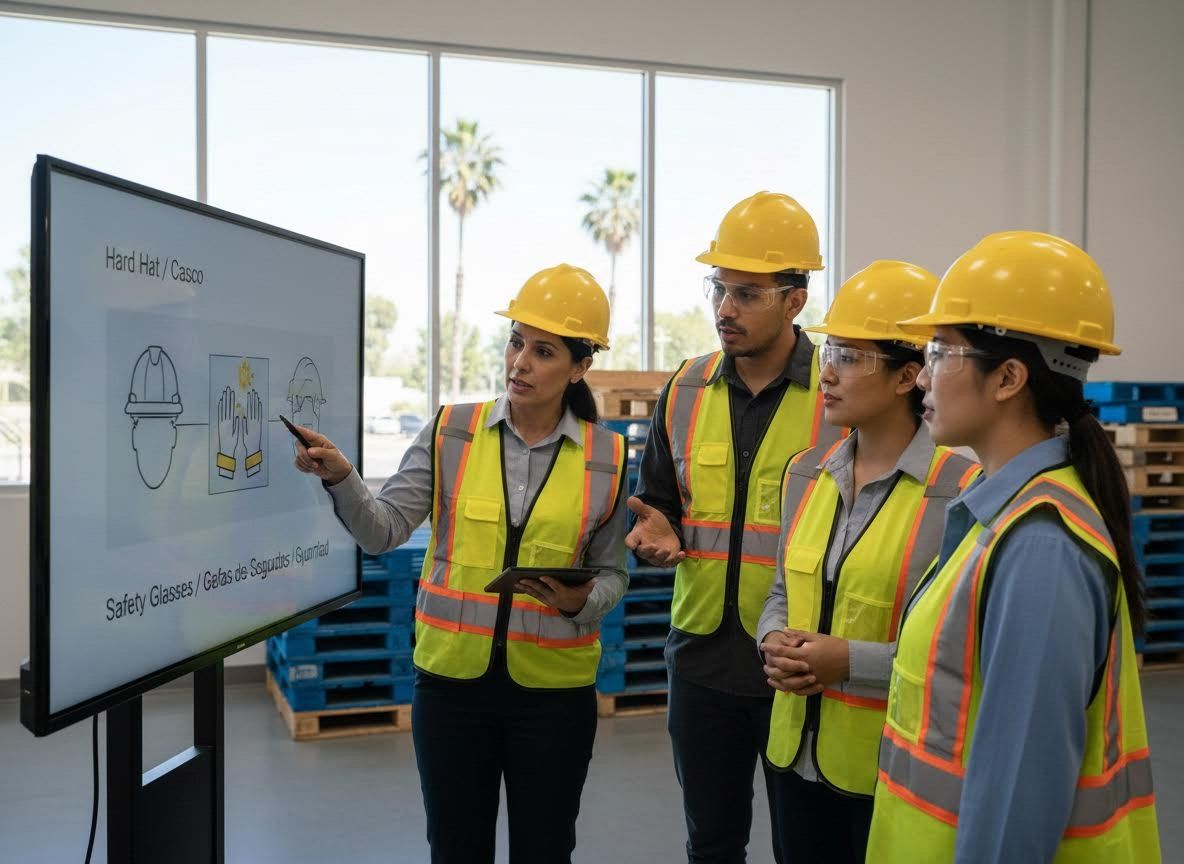
The safety of a diverse workforce is paramount, and ensuring every employee understands critical environmental, health, and safety (EHS) protocols is not just good practice, but a legal imperative. In a region as diverse as Southern California, this often means navigating the complexities of providing effective safety training to a bilingual workforce, ensuring full comprehension and adherence to standards like those set by OSHA. Kasai Consulting specializes in developing tailored programs that meet these unique demands, fostering a safer, more compliant workplace for all.
The Critical Need for Inclusive Safety Education
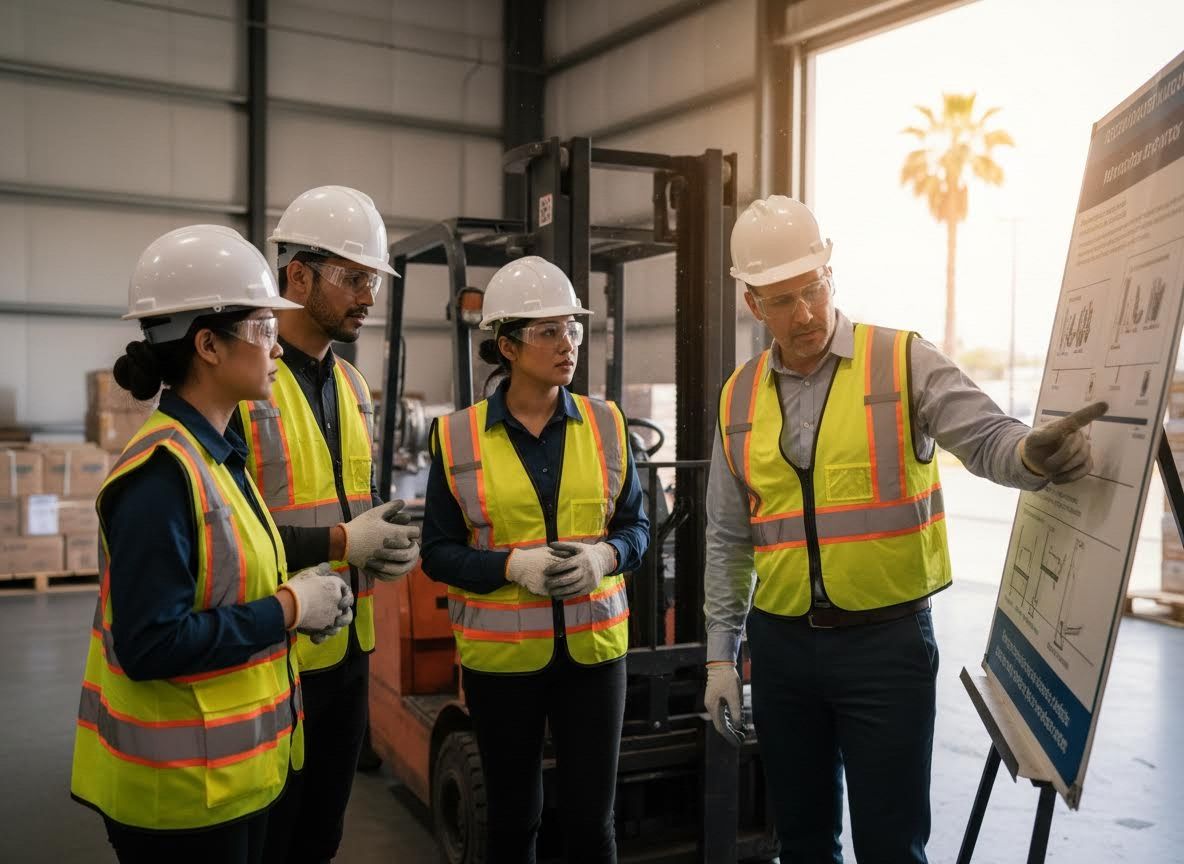
Generic safety training programs, while a start, often fall short when addressing the needs of a bilingual workforce. Language barriers can lead to critical misunderstandings of safety procedures, emergency protocols, and the proper use of equipment. This gap not only poses significant risks to employee well-being but also exposes organizations to potential regulatory violations. Ensuring that every team member, regardless of their primary language, fully comprehends safety guidelines is fundamental to minimizing workplace incidents. Remember, proper PPE attire is critical, but its effectiveness relies entirely on thorough, accessible training.
Customizing OSHA Compliance for Southern California's Diverse Workforce
Achieving robust OSHA compliance in Southern California requires more than just translating safety manuals. It demands a deep understanding of cultural nuances and learning styles to effectively convey complex safety information. For businesses, especially those in the rapidly evolving life sciences sector, this means developing training that is both linguistically accurate and culturally relevant. Engaging experienced partners who specialize in localized EHS solutions can bridge this gap, ensuring that training resonates with all employees and leads to genuine behavioral change.

Beyond Language: Addressing Industry-Specific EHS Challenges
While language is a key factor, effective EHS training for a bilingual workforce also requires addressing industry-specific hazards. For instance, the intricate operations within Bio tech and Life Science Labs present unique risks that demand specialized training content. This is where the expertise of professional manufacturing safety consultants becomes invaluable. They can design programs that not only communicate effectively across language barriers but also address the precise safety concerns pertinent to specific equipment, processes, and environments, often through targeted EHS staff augmentation to bolster internal capabilities.
Leveraging Advanced Solutions for Enhanced Workplace Safety
Modern EHS strategies incorporate advanced tools and methodologies to further enhance safety performance. For facilities in regions like San Diego, integrating solutions such as ErgoMaps solutions in San Diego can provide proactive insights into ergonomic risks, which are especially prevalent in laboratory settings. Implementing effective ergonomics for labs in Southern California through specialized assessments and training can significantly reduce musculoskeletal injuries, creating a healthier and more productive work environment for all employees, regardless of language.
Effectively training a bilingual workforce is a cornerstone of a truly comprehensive EHS program, crucial for maintaining a safe environment and achieving full regulatory compliance. By adopting a client-centric approach that considers both linguistic diversity and specific industry needs, organizations can significantly enhance workplace safety and operational efficiency. Kasai Consulting offers tailored environmental, health, and safety solutions designed to empower your entire workforce with the knowledge and skills needed for a safer workplace. To learn more about how customized training can benefit your organization, explore our comprehensive EHS services and resources.