
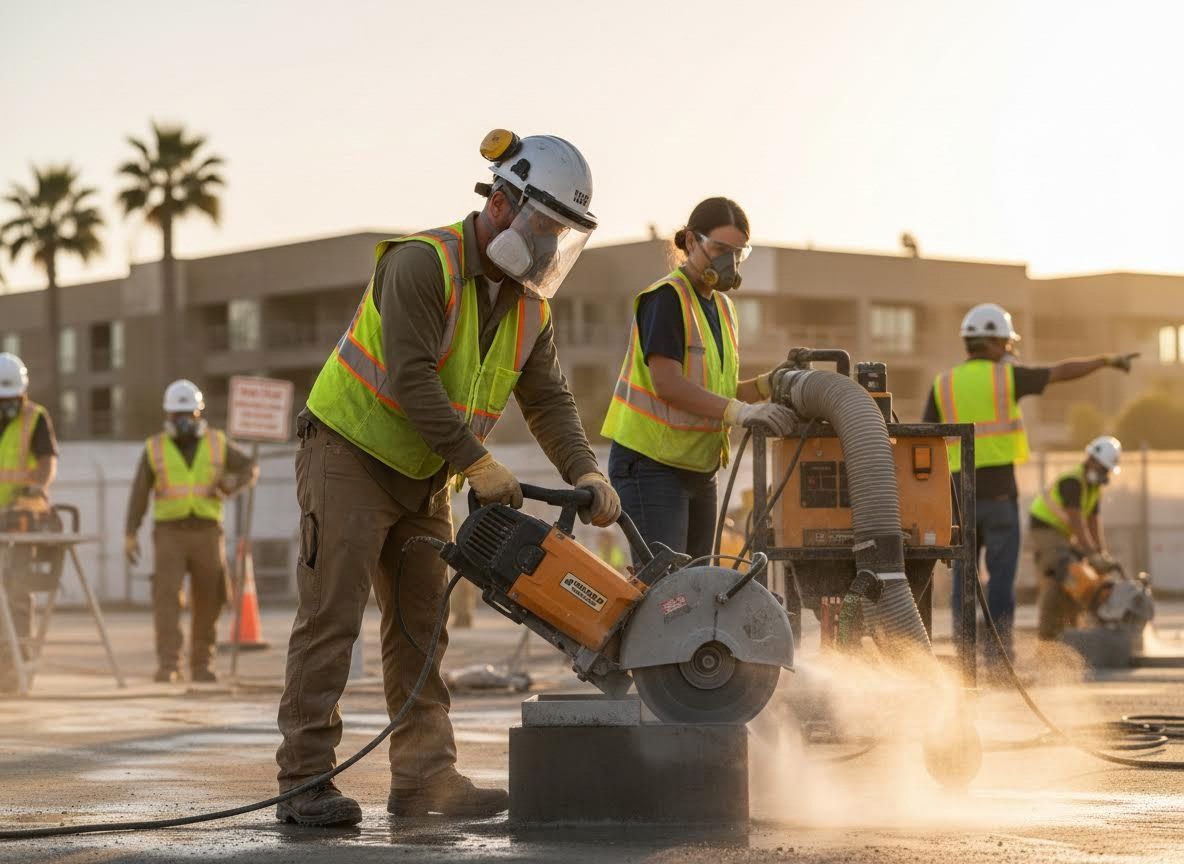
Managing silica dust exposure is a critical safety challenge, particularly within California's stringent regulatory landscape. Companies operating in Southern California must navigate specific requirements to protect their workforce from this pervasive hazard. Kasai Consulting understands these complexities, offering tailored strategies to ensure compliance and cultivate safer job sites across various industries.
Understanding California's Strict Silica Regulations
California has some of the most rigorous occupational safety standards in the nation, often exceeding federal requirements. For businesses seeking OSHA compliance in Southern California, this means a proactive and comprehensive approach to managing silica dust is non-negotiable. Crystalline silica, a common mineral found in materials like concrete, brick, and rock, becomes a severe respiratory hazard when inhaled as fine dust particles. Prolonged exposure can lead to silicosis, lung cancer, and other debilitating diseases. Therefore, understanding and adhering to Cal/OSHA's Permissible Exposure Limits (PELs) and specified control methods is fundamental for any organization involved in construction, manufacturing, or other dust-generating activities.
Implementing Effective Control Measures and Proper PPE
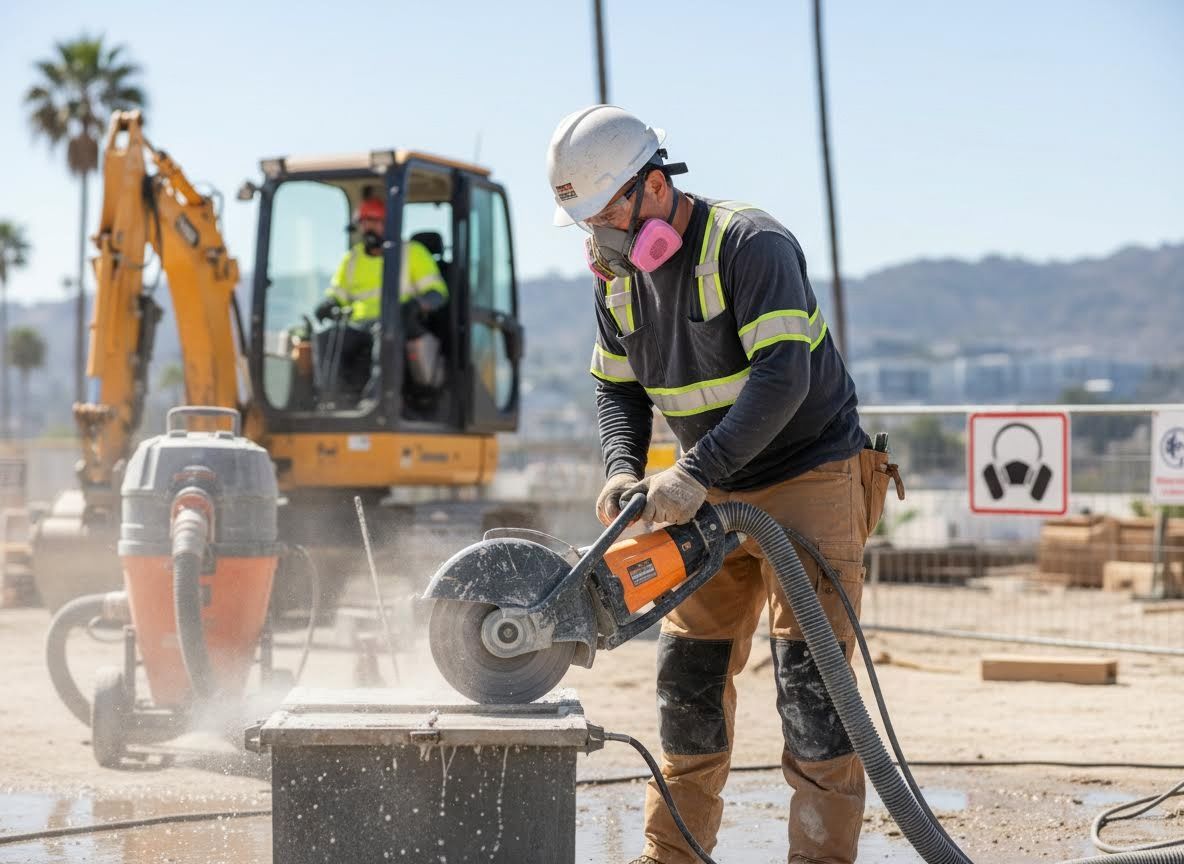
Effective silica dust management relies on a hierarchy of controls designed to eliminate or minimize exposure. Engineering controls, such as using wet methods to suppress dust, local exhaust ventilation systems, and enclosed cabs for equipment, are the first line of defense. These should be complemented by administrative controls, including establishing regulated areas, implementing strict work practices, and scheduling to minimize the number of workers exposed. Crucially, where engineering and administrative controls cannot reduce exposure to acceptable levels, proper PPE attire, particularly appropriate respiratory protection, becomes absolutely vital. Selecting, fitting, and maintaining respirators correctly, alongside regular training on their use, is essential for worker protection and ensuring regulatory adherence.
The Value of Specialized EHS Expertise and Training
Navigating the intricacies of silica dust regulations and implementing effective controls requires specialized knowledge. Many organizations benefit significantly from expert guidance, especially when developing comprehensive exposure control plans, conducting air monitoring, and providing thorough training. Partnering with experienced professionals, such as manufacturing safety consultants, ensures that your protocols are robust and compliant. Furthermore, when in-house resources are stretched, EHS staff augmentation can provide critical support, bringing in seasoned experts to manage specific projects, conduct audits, or train your team on best practices, thereby safeguarding your operations and employees.
Beyond Dust: A Holistic Approach to Workplace Safety
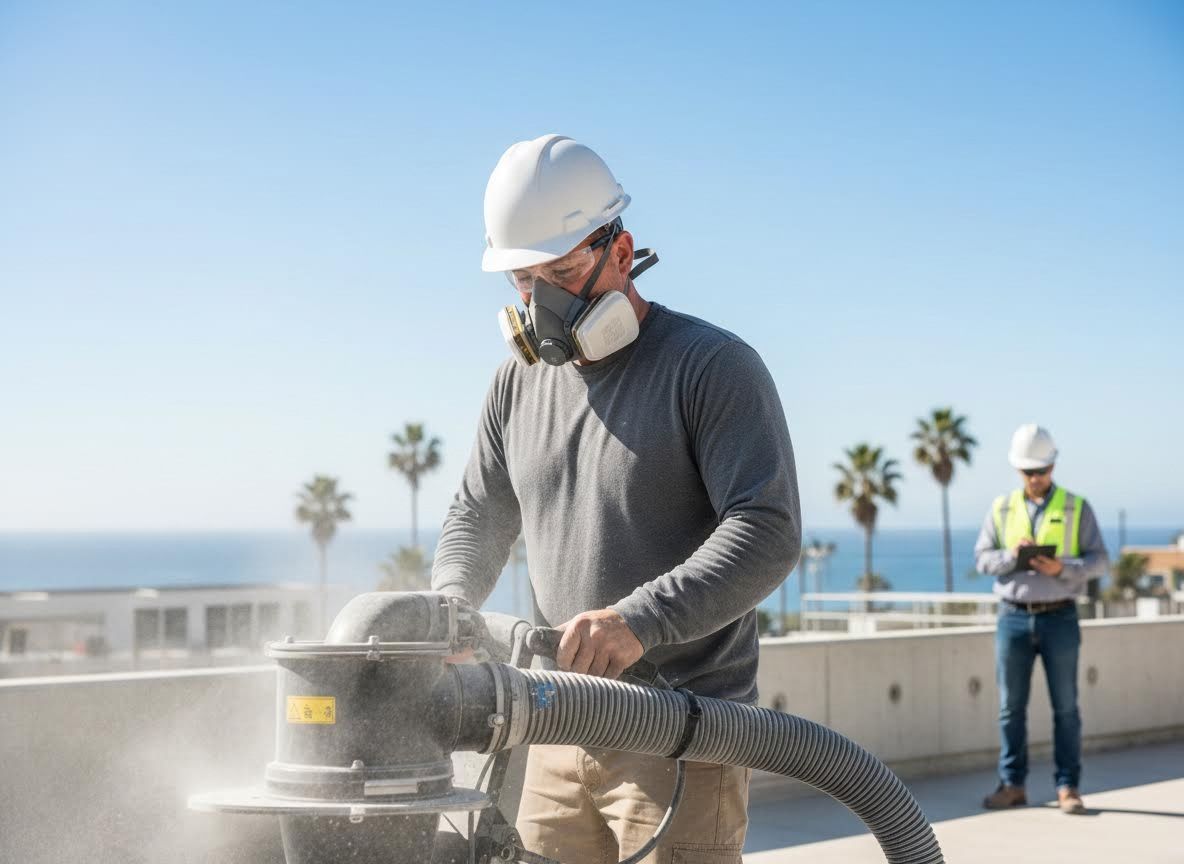
While silica dust management is a specific and urgent concern, it is often part of a broader commitment to workplace health and safety. A holistic EHS program considers all potential hazards, fostering an environment where employee well-being is paramount. This includes addressing other critical areas such as ergonomics for labs in Southern California, ensuring that workspaces are designed to prevent musculoskeletal injuries. Integrating comprehensive risk assessments and innovative solutions, like those provided by ErgoMaps solutions in San Diego, allows organizations to proactively identify and mitigate various risks, enhancing overall safety performance and worker productivity.
Proactive and diligent management of silica dust exposure is not merely a regulatory obligation; it is a fundamental commitment to employee health and operational integrity, especially given California's strict standards. Kasai Consulting partners with diverse industries to provide the expertise and customized solutions needed to effectively address these challenges, ensuring your workforce is protected and your organization remains compliant. To learn more about developing a robust silica exposure control plan tailored to your specific needs, consider reaching out to discuss your EHS requirements.