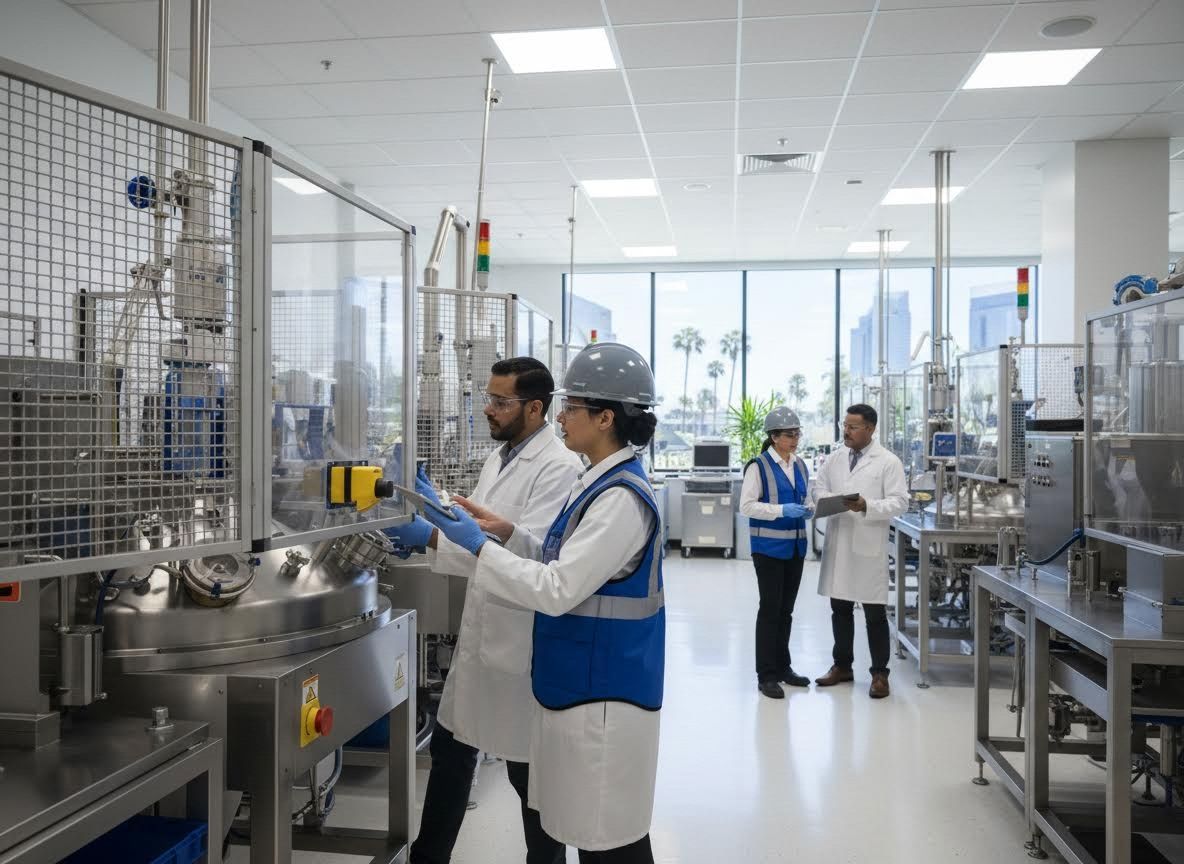
San Diego's manufacturing landscape, especially within the biotech and life sciences sectors, relies heavily on complex machinery, making workplace safety a paramount concern. Ensuring the protection of employees operating these machines is not just a regulatory requirement but a fundamental commitment to workforce well-being and operational continuity. Machine guarding audits are a critical tool in identifying potential hazards and implementing robust safety measures, helping organizations avoid costly incidents and maintain productivity. Kasai Consulting specializes in providing comprehensive EHS solutions that address these vital safety needs, ensuring a safer working environment for all.
The Imperative of Machine Guarding for Injury Prevention
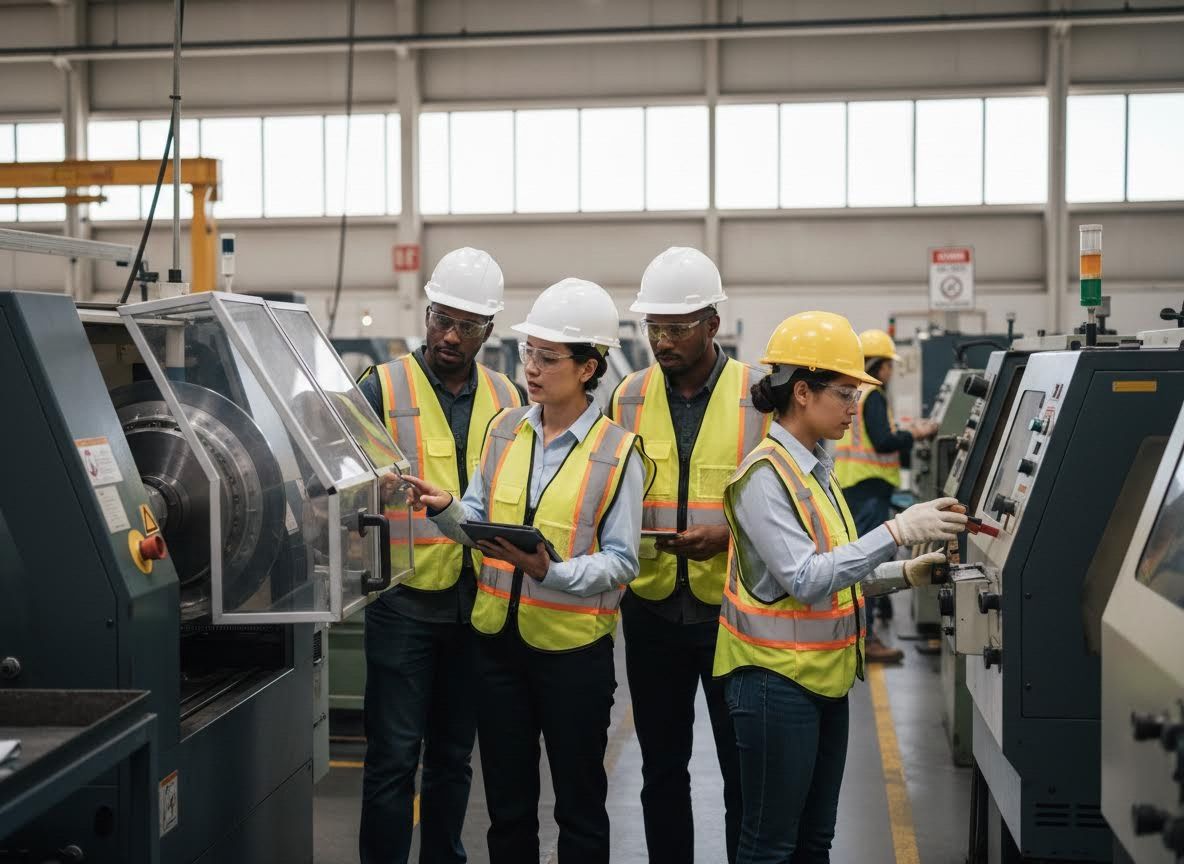
Machine guarding serves as the primary defense against severe injuries in industrial settings, particularly where moving parts, pinch points, and rotating equipment are present. Ignoring machine guarding requirements can lead to tragic accidents, ranging from lacerations and crushing injuries to amputations, which not only devastate lives but also incur significant financial penalties and reputational damage for businesses. Adhering to standards set by OSHA compliance in Southern California is non-negotiable for manufacturers. Proactive machine guarding audits ensure that all machinery is equipped with appropriate safeguards, that these guards are functioning correctly, and that employees understand their importance, alongside the necessity of proper PPE attire is critical for full protection.
What a Comprehensive Machine Guarding Audit Uncovers
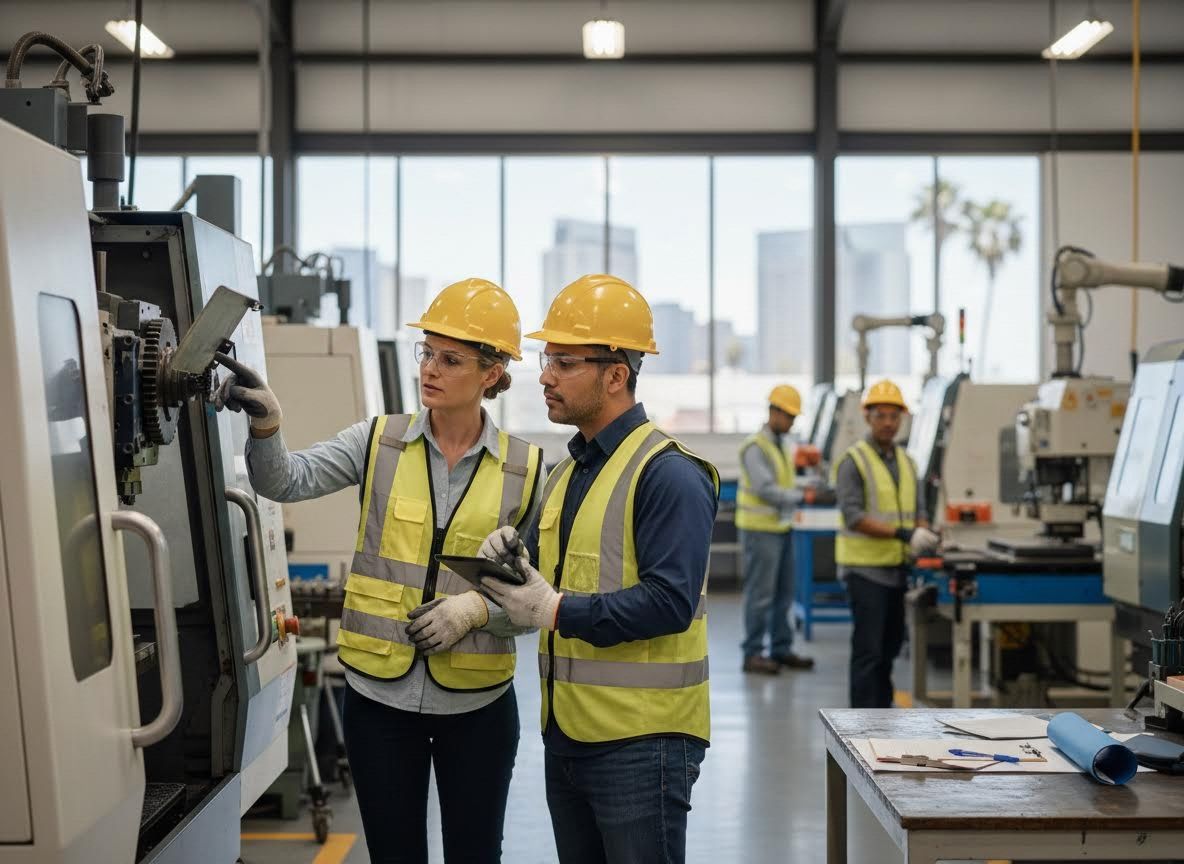
A thorough machine guarding audit conducted by experienced manufacturing safety consultants involves a systematic assessment of all machinery and equipment. This process begins with an in-depth review of existing safety programs, operational procedures, and incident reports. Auditors meticulously inspect each machine for missing or inadequate guards, potential points of operation hazards, in-running nip points, rotating parts, and flying chips or sparks. They evaluate the effectiveness of current guarding solutions, identify areas of non-compliance, and assess the overall risk profile associated with machine operation. The goal is to provide a clear, actionable roadmap for mitigating risks and achieving peak safety performance.
Beyond Compliance: Cultivating a Proactive Safety Culture
While regulatory adherence is essential, the benefits of robust machine guarding audits extend far beyond simply meeting legal requirements. Proactive audits foster a culture of safety, empowering employees and reducing the likelihood of incidents, which in turn minimizes downtime and enhances operational efficiency. By identifying and addressing risks before they lead to accidents, companies can protect their most valuable asset – their workforce – and avoid the substantial costs associated with injuries, investigations, and production halts. These audits also often reveal opportunities for optimizing workflows and implementing smarter safety practices, contributing to a more resilient and productive manufacturing environment. This proactive approach aligns with the comprehensive support offered by professional EHS staff augmentation, ensuring continuous safety improvement.
Integrating Machine Guarding into a Holistic EHS Strategy
Machine guarding is a cornerstone of any effective environmental, health, and safety program, but it is most impactful when integrated into a holistic EHS strategy. This includes comprehensive risk assessments, emergency preparedness planning, and ongoing employee training. For sectors like biotech and life science labs, understanding the specific ergonomic challenges is also key; solutions like Ergonomics for labs in Southern California are vital. Similarly, exploring innovative tools such as ErgoMaps solutions in San Diego can further enhance workplace safety and efficiency by providing detailed ergonomic assessments. A comprehensive EHS strategy ensures that all facets of worker safety, from machine operation to environmental controls and human factors, are continuously evaluated and improved.
Conclusion
In San Diego’s dynamic manufacturing landscape, machine guarding audits are more than just a regulatory check; they are an indispensable investment in employee safety, operational integrity, and business continuity. By systematically identifying and mitigating machinery-related hazards, organizations not only comply with essential safety standards but also cultivate a proactive, resilient safety culture. Kasai Consulting is dedicated to helping businesses navigate these complexities, offering tailored EHS solutions that secure your workforce and optimize your operations. To learn more about strengthening your workplace safety protocols and achieving sustainable compliance, explore our range of expert EHS services and resources.