
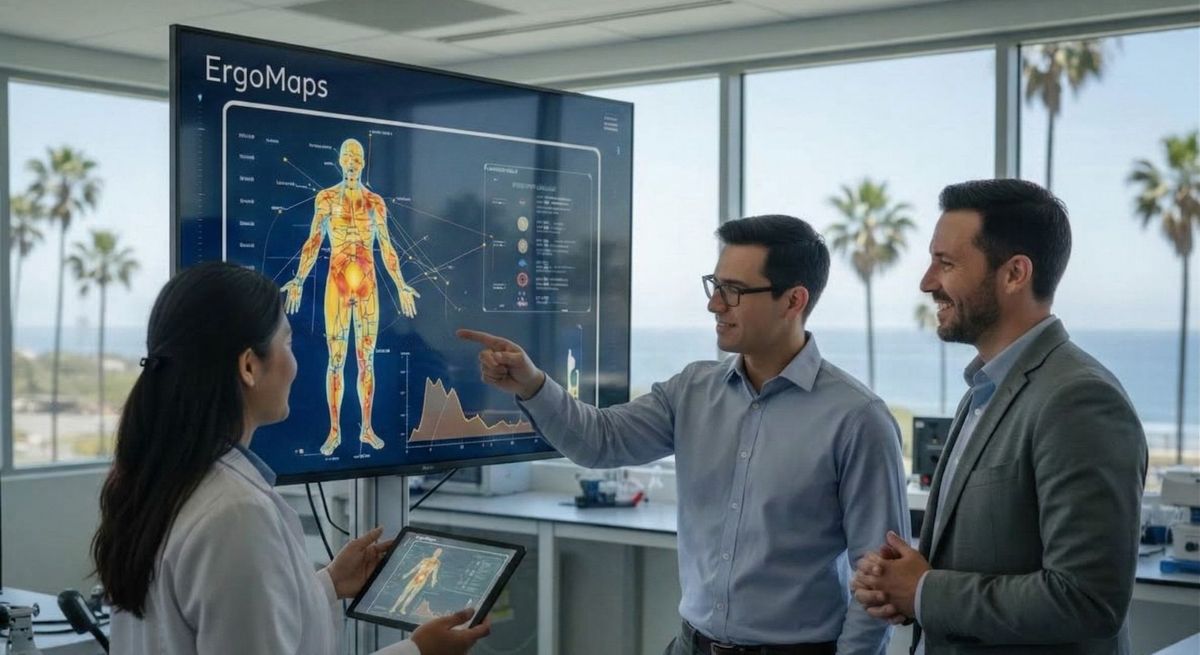
Repetitive Strain Injuries (RSIs) pose a significant challenge in the fast-paced and meticulous environment of San Diego's biotech and life science laboratories, often leading to discomfort, decreased productivity, and increased operational costs. Recognizing this critical need, Kasai Consulting champions innovative solutions to safeguard lab personnel. One such advanced approach involves the strategic implementation of ErgoMaps, a powerful visual data tool designed to pinpoint and mitigate ergonomic risks. This method transforms complex ergonomic assessments into clear, actionable insights, driving a proactive safety culture within your organization.
The Unique Ergonomic Challenges in Southern California Laboratories
Laboratories, particularly those in the life sciences and new technologies sectors across Southern California, present a distinct set of ergonomic challenges. Researchers and technicians often engage in repetitive fine motor tasks, prolonged static postures, and extensive microscope work, all of which contribute to a high incidence of RSIs. From pipetting and sample preparation to data entry and analysis, the sustained nature of these activities places considerable stress on wrists, hands, necks, and backs. Addressing these specific stressors is paramount not only for employee well-being but also for maintaining operational efficiency and ensuring consistent quality in scientific endeavors. Effective ergonomics for labs in Southern California is key to preventing these pervasive issues.
ErgoMaps Solutions in San Diego: A Visual Path to Risk Reduction
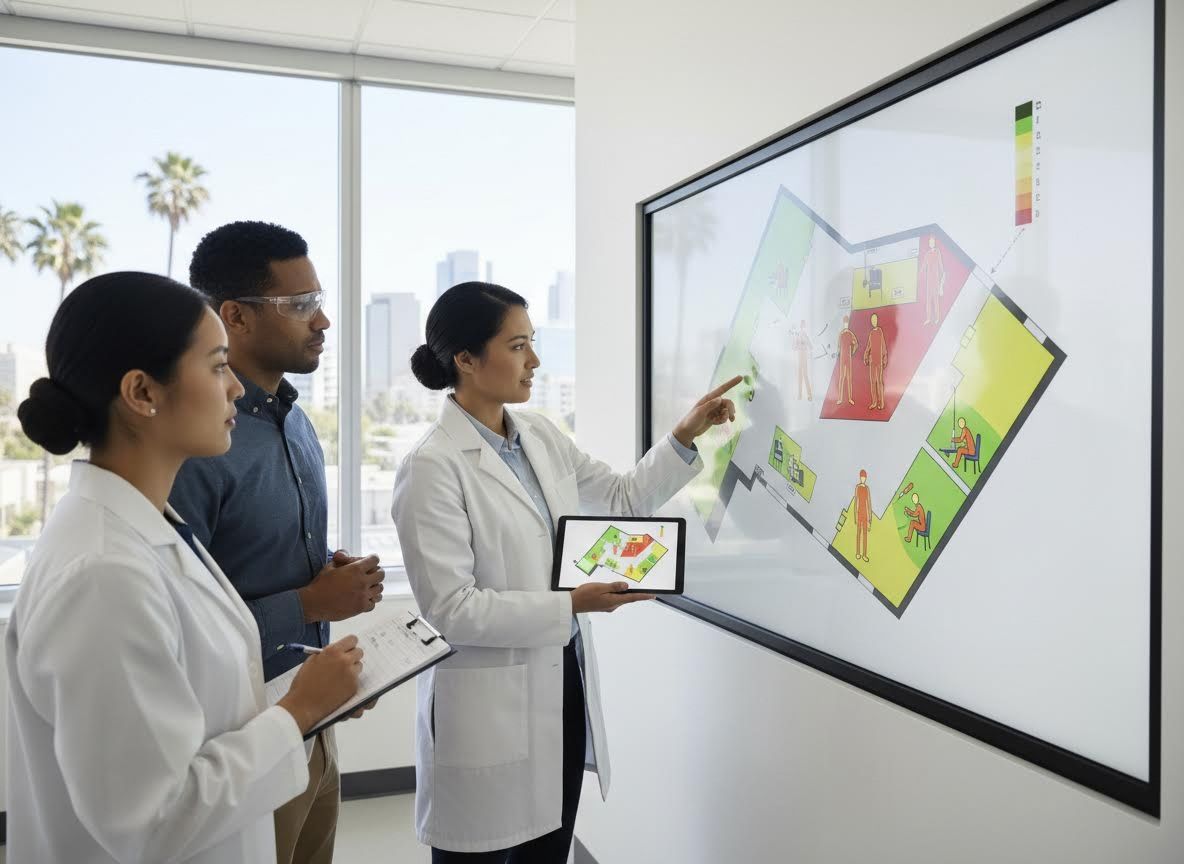
ErgoMaps solutions in San Diego offer a transformative approach to identifying and addressing ergonomic hazards by providing a clear, visual representation of risk factors within the lab environment. Instead of relying solely on written reports, this system translates assessment data into intuitive maps and graphics, making it easier to pinpoint specific workstations, tasks, or postures contributing to RSIs. This visual clarity enables safety managers and lab directors to quickly understand where interventions are most needed, prioritizing adjustments that will have the greatest impact. By leveraging this data-driven insight, organizations can move beyond reactive measures to implement proactive strategies, thereby enhancing overall safety performance and aiding in OSHA compliance in Southern California.
Implementing a Comprehensive Ergonomics Program with ErgoMaps
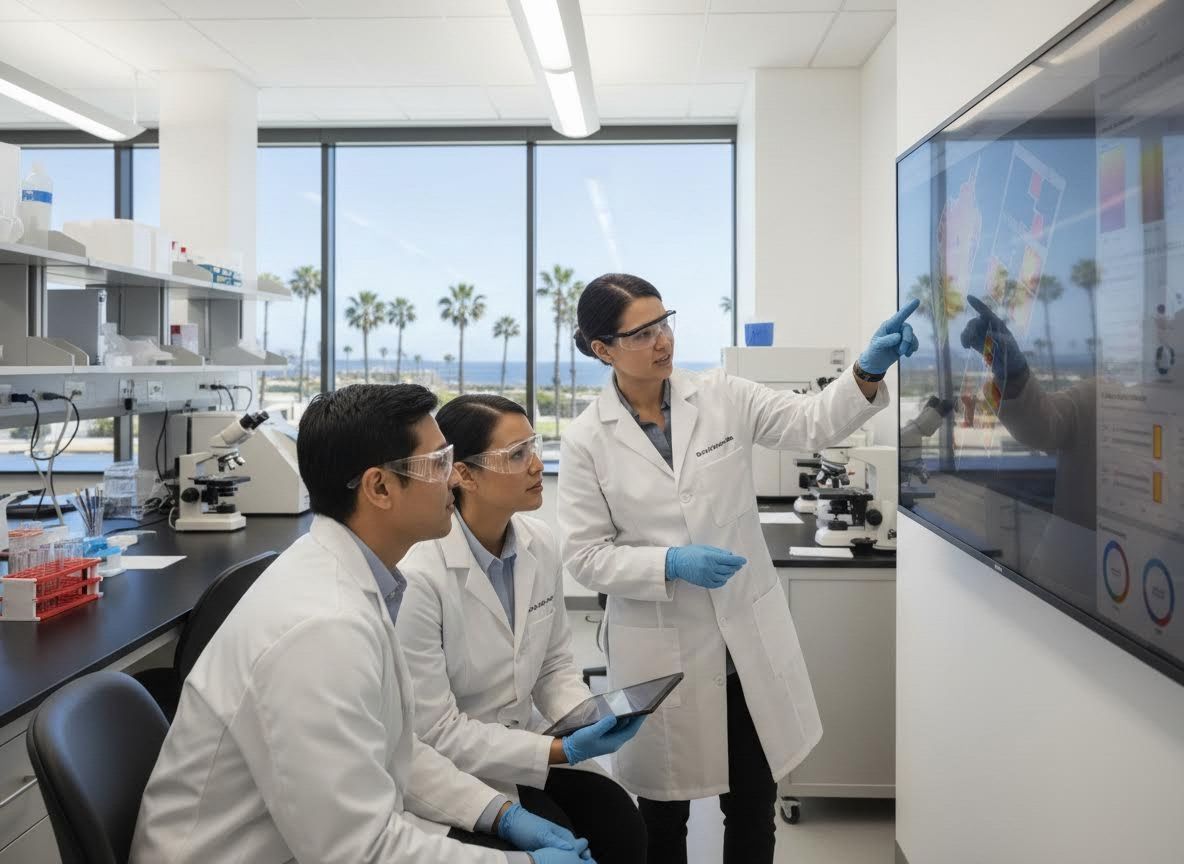
Successful implementation of ErgoMaps involves a systematic and client-centric process that ensures tailored solutions for each unique lab setting. This begins with a thorough assessment of existing workstations and tasks, gathering data on physical demands, equipment, and work patterns. The ErgoMaps tool then processes this information, creating visual risk profiles that highlight areas of concern. Based on these insights, customized recommendations are developed, ranging from workstation modifications and equipment upgrades to targeted training programs. For organizations seeking robust support, EHS staff augmentation can provide the expert personnel needed to manage these programs effectively, ensuring continuity and expertise in driving down injury rates and fostering a healthier, more productive lab environment. Proper PPE attire is critical in laboratory settings, forming another layer of protection that complements ergonomic improvements.
The integration of ErgoMaps into your laboratory's safety strategy offers a powerful and visually intuitive method for combating the prevalence of repetitive stress injuries in San Diego. By transforming complex data into actionable insights, this solution empowers organizations to proactively manage ergonomic risks, improve employee health, and enhance overall productivity. Kasai Consulting specializes in delivering comprehensive, customized environmental, health, and safety solutions, including advanced ergonomic programs that align with your operational goals. To explore how tailored ErgoMaps solutions can benefit your lab and contribute to a safer, more compliant workplace, consider reaching out to an EHS professional for an in-depth consultation.