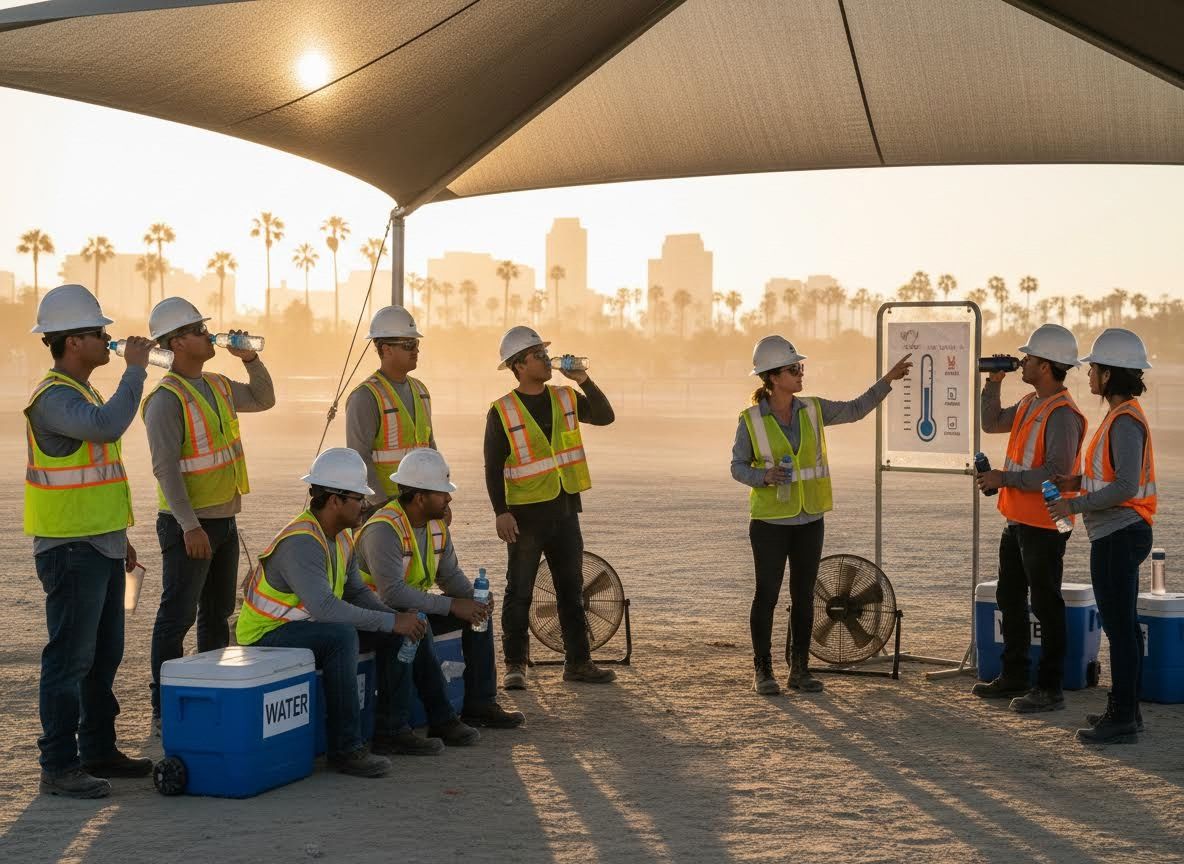
The challenges of ensuring worker safety in Southern California's demanding climate are ever-present, and as we approach 2026, the regulatory landscape for heat illness prevention is becoming even more stringent. Businesses operating in outdoor environments, especially in construction, face unique hurdles in safeguarding their workforce while maintaining productivity. Kasai Consulting understands these complexities and helps organizations navigate the evolving standards to build resilient and compliant safety programs.
Understanding the Regulatory Framework and Risks
The Golden State has long been at the forefront of worker protection, and its heat illness prevention standards are no exception. For companies with outdoor operations, understanding and adhering to the specific requirements for OSHA compliance in Southern California is paramount. These regulations are designed to protect workers from heat-related illnesses, which can range from cramps and exhaustion to life-threatening heatstroke. Non-compliance not only risks severe penalties but also endangers employee well-being, leading to potential productivity losses, increased workers' compensation claims, and damage to reputation. Proactive measures are no longer optional; they are essential for sustainable operations.
Implementing Effective Prevention Strategies
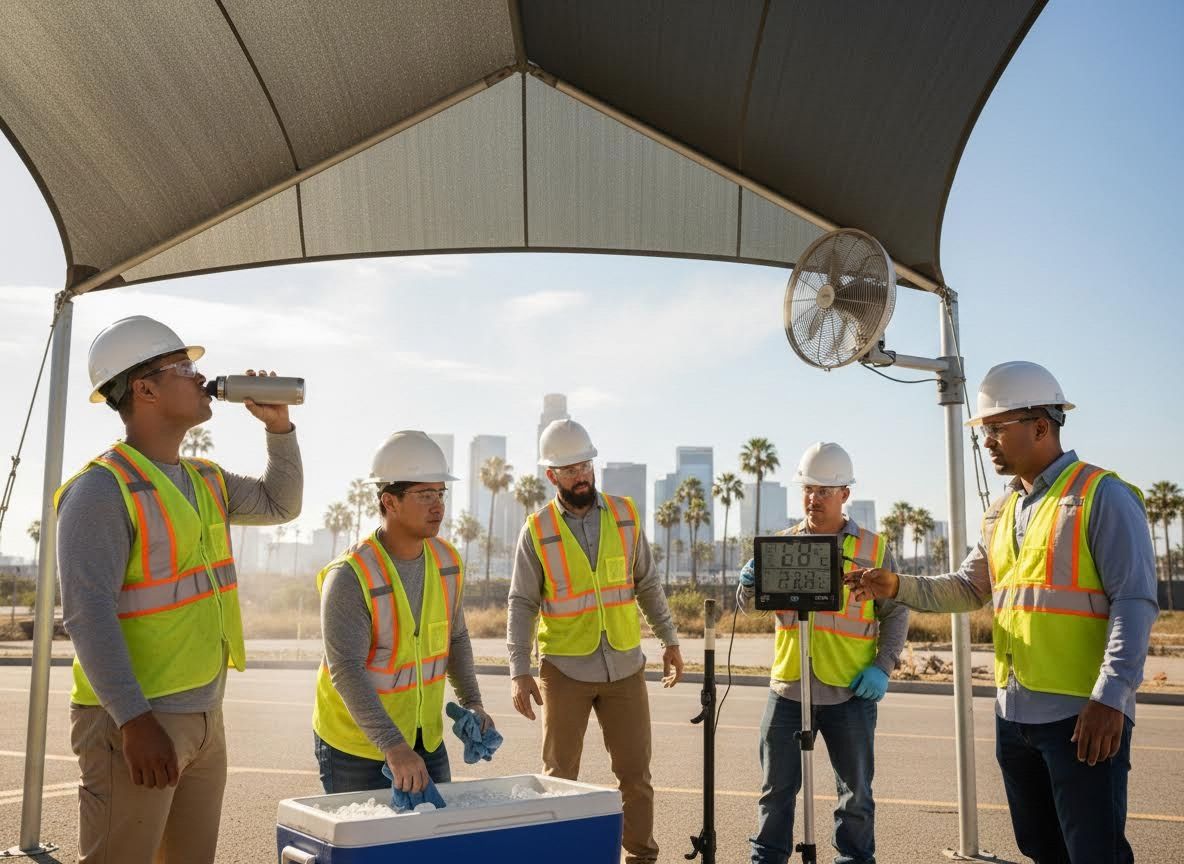
Developing a robust heat illness prevention program requires a multi-faceted approach. Key strategies include providing sufficient cool, potable water; encouraging frequent, shaded rest breaks; and implementing effective acclimatization procedures for new or returning employees. It is also critical to ensure that proper PPE attire is selected and utilized correctly, as appropriate gear can significantly mitigate heat stress. Beyond these fundamental components, comprehensive training for all employees and supervisors on recognizing heat illness symptoms and administering first aid is vital. Regular monitoring of weather conditions and adjusting work schedules accordingly are also crucial for minimizing exposure during peak heat periods.
Leveraging Expertise and Technology for Comprehensive Safety
Navigating complex EHS regulations and implementing effective prevention programs often requires specialized knowledge and resources. Many companies benefit from engaging expert support, such as Manufacturing safety consultants, to develop tailored strategies and ensure full compliance. For organizations facing temporary staffing gaps or needing an injection of specialized skills, EHS staff augmentation can provide invaluable support, bringing experienced professionals onboard without the long-term commitment. Furthermore, integrating technological solutions, like advanced monitoring systems or ergonomic assessment tools such as ErgoMaps solutions in San Diego, can significantly enhance a safety program's effectiveness. These tools, while often associated with physical ergonomics, highlight a broader commitment to worker well-being that extends into various industries, including promoting Ergonomics for labs in Southern California to prevent fatigue and injury in different work settings.
Enhancing Your EHS Resilience
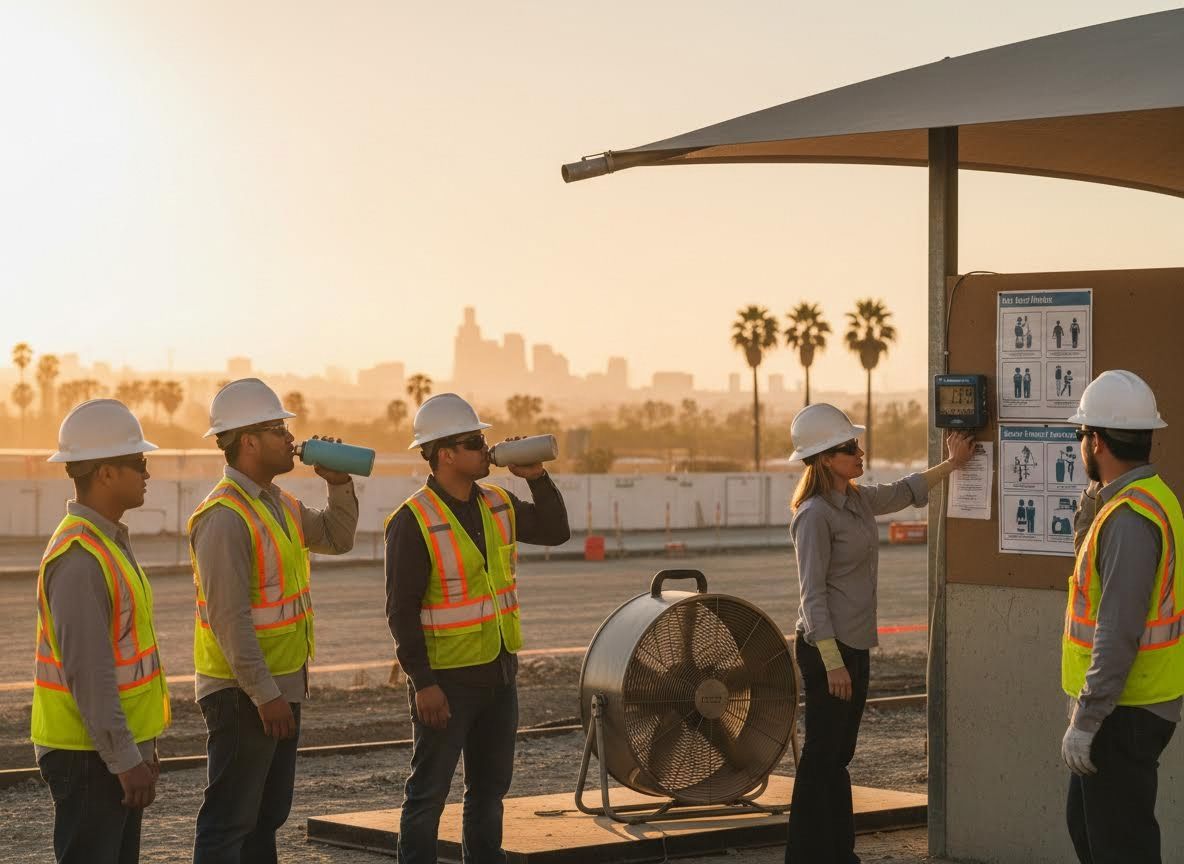
As Southern California's heat illness prevention standards continue to evolve toward 2026 and beyond, organizations must adopt a proactive and comprehensive approach to worker safety. By focusing on stringent compliance, implementing practical prevention strategies, and leveraging expert EHS guidance, businesses can not only protect their workforce but also foster a culture of safety that drives long-term success. Kasai Consulting is dedicated to helping clients across various industries, including those in the life sciences and manufacturing sectors, build robust EHS programs that meet regulatory demands and prioritize employee well-being. To learn more about strengthening your organization's heat illness prevention plan and overall EHS performance, we invite you to explore our tailored consulting and training solutions. Reach out to us today.