
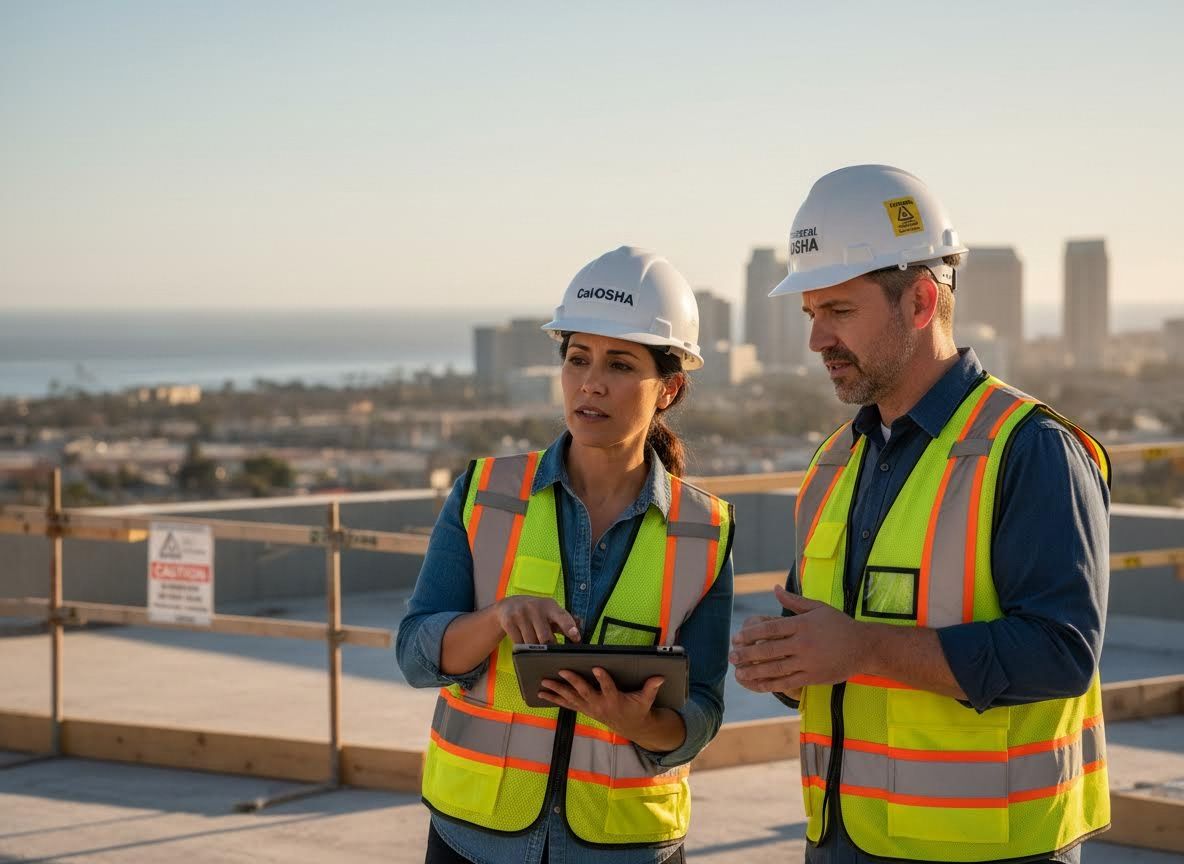
Navigating the intricate landscape of environmental, health, and safety (EHS) regulations can be a formidable challenge for businesses, especially when operating in a state with its own distinct occupational safety and health agency. For site managers in San Diego, understanding the nuances between Federal OSHA and Cal/OSHA is not just beneficial, but absolutely critical for ensuring a safe workplace and maintaining compliance. Kasai Consulting specializes in guiding organizations through these complex requirements, helping them achieve optimal safety performance and regulatory adherence.
Understanding California's Unique Regulatory Framework
While Federal OSHA sets national standards for workplace safety, California operates under its own state plan, Cal/OSHA, which is approved by Federal OSHA but often implements stricter and more comprehensive regulations. This means that businesses in San Diego must adhere to Cal/OSHA standards, which can go beyond federal requirements in areas such as hazard communication, lockout/tagout procedures, and specific industry guidelines. Achieving strong OSHA compliance in Southern California requires a deep understanding of these state-specific mandates and a proactive approach to risk management.
Key Differences and Their Impact on Workplace Safety
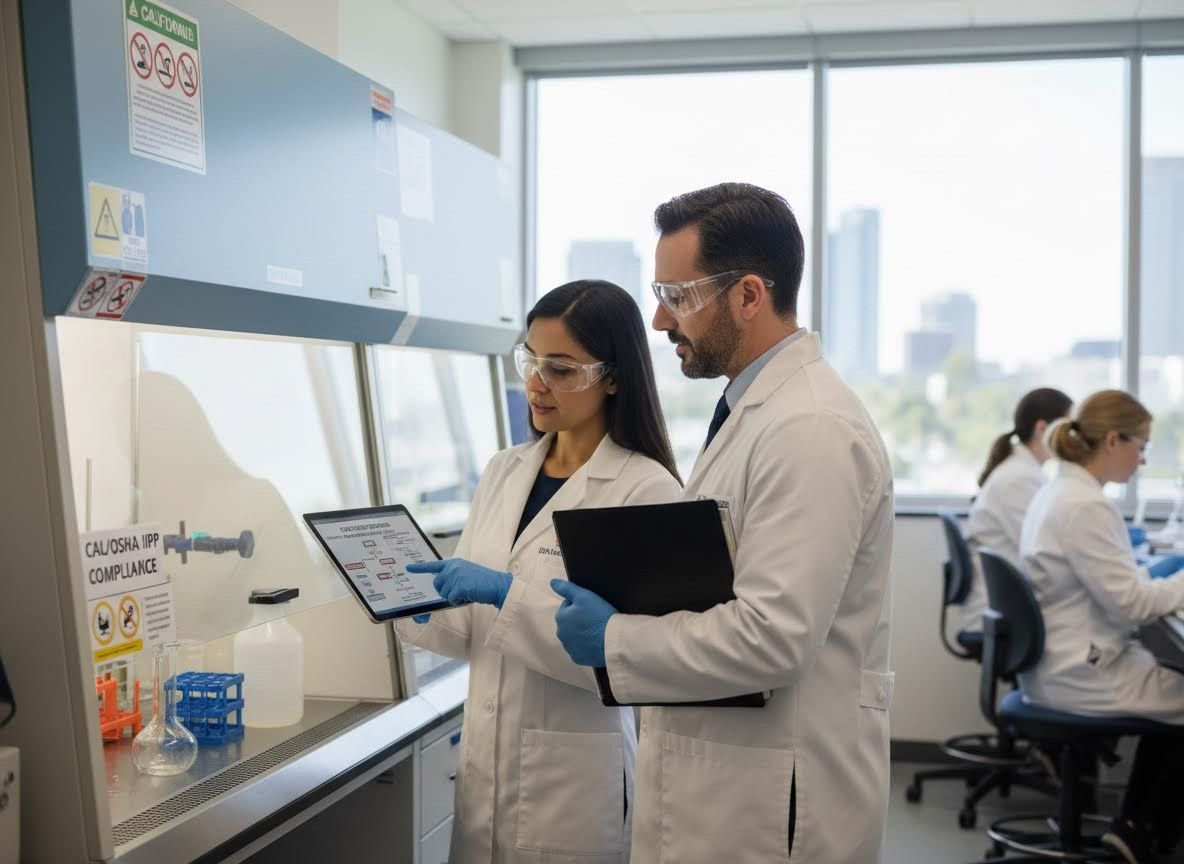
Cal/OSHA frequently introduces regulations that are more protective than federal counterparts, requiring businesses to implement more rigorous safety protocols. For instance, California's Injury and Illness Prevention Program (IIPP) standard is a cornerstone of its approach, mandating employers to establish, implement, and maintain an effective IIPP specific to their workplace. Additionally, Cal/OSHA has robust heat illness prevention standards and specific requirements for confined spaces, scaffolding, and hazardous substances. For sectors like biotech and life sciences, these detailed regulations often translate into more stringent controls for lab environments, requiring precise adherence to safety protocols where proper PPE attire is critical for preventing exposures and injuries.
Tailored Solutions for Biotech, Life Science, and Manufacturing
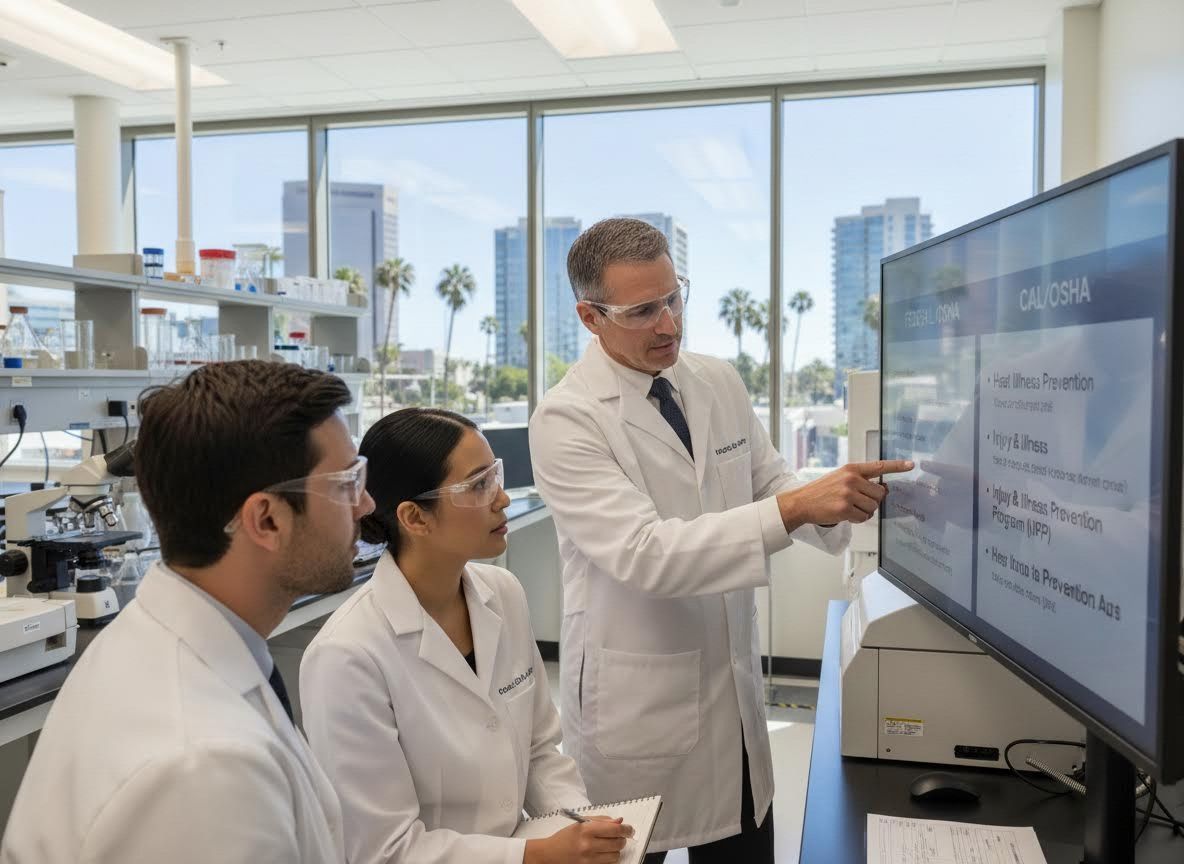
For biotech and Life Science Labs and manufacturing facilities, the divergence between federal and state EHS standards can be particularly impactful. These industries often deal with unique hazards, from biological agents and hazardous chemicals to complex machinery, making robust safety programs indispensable. Ensuring continuous compliance and effective risk mitigation often benefits from specialized external support. This is where Manufacturing safety consultants can provide invaluable expertise, offering EHS staff augmentation to help manage programs, conduct audits, and develop tailored training. Such support ensures that facilities not only meet but exceed regulatory expectations, fostering a culture of safety.
Proactive Strategies for Enhanced Safety Performance
Beyond basic compliance, adopting proactive strategies significantly elevates workplace safety. Integrating advanced solutions like ErgoMaps solutions in San Diego can help identify and mitigate ergonomic risks, a common concern in laboratory and manufacturing settings. Focusing on Ergonomics for labs in Southern California can reduce musculoskeletal injuries, improve employee comfort, and enhance productivity. These data-driven approaches, combined with continuous training and risk assessments, empower organizations to create safer working environments, reducing incidents and promoting the well-being of their workforce.
Navigating the distinctions between Federal OSHA and Cal/OSHA is paramount for any business operating in San Diego, especially within specialized fields like biotechnology and manufacturing. The increased stringency of Cal/OSHA standards underscores the need for expert guidance and comprehensive EHS strategies to protect employees and ensure operational continuity. To delve deeper into how these regulations specifically impact your industry and discover tailored solutions for your organization, consider reaching out to us today.